
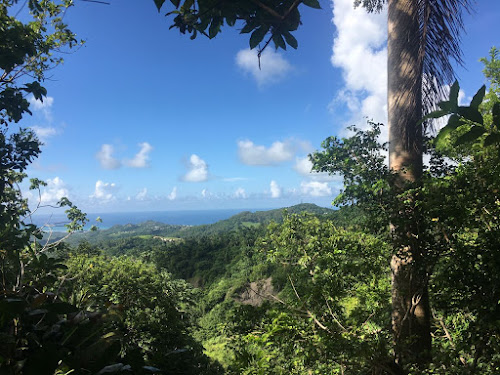
Barbados, Caribbean
Barbados, famously known for its pristine beaches and vibrant Caribbean culture, also boasts a hidden gem for nature enthusiasts – the picturesque Coco Hill Forest. Tucked away in the lush countryside of St. Joseph parish, this enchanting forest offers a serene escape from the bustling tourist hotspots, providing a unique opportunity for visitors to immerse themselves in the beauty of nature.
Coco Hill Forest in Barbados serves as an inspiring case study in sustainable travel and social enterprise.
1. Description of the Social Enterprise
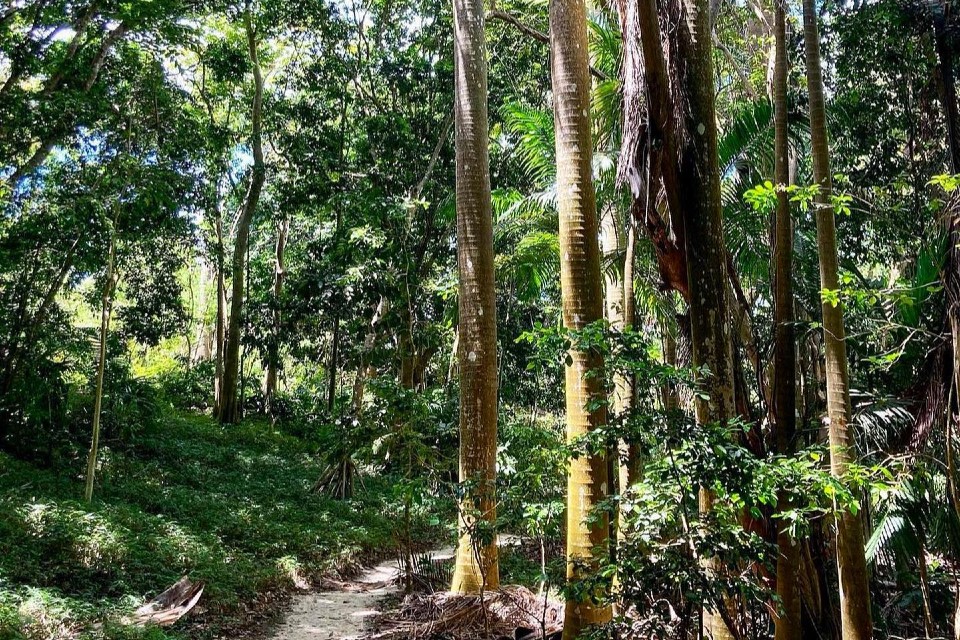
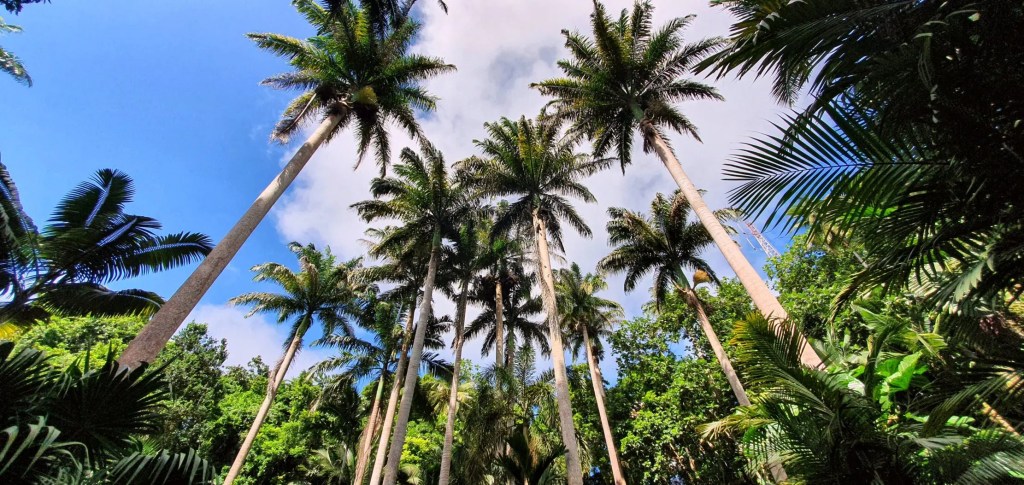
As you step into Coco Hill Forest, you can feel the calmness enveloping you, transporting you to a world far removed from the worries of everyday life. This privately owned forest spans over 50 acres and is home to a diverse range of plant and animal species, making it a paradise for nature lovers and avid birdwatchers.
Coco Hill Forest is a 53-acre rainforest located in Saint Joseph, Barbados. This enterprise is not just a tourist attraction; it’s a model of environmental stewardship and sustainable agriculture. It focuses on forest farming, where crops like bananas, coconuts, cocoa, and coffee are grown under the forest canopy. This method enhances biodiversity and helps in the preservation of the natural ecosystem.
2. History of the Business
Established with a vision to create a space that harmonizes agriculture with the natural environment, Coco Hill Forest was founded by Mahmood Patel. The initiative began as a personal project to reforest the area, which had suffered from deforestation and soil erosion. Over time, it evolved into a thriving forest farm, attracting visitors interested in sustainable agriculture and natural Barbadian landscapes.

3. How does the Business Make an Impact?
Coco Hill Forest makes a significant impact in several areas:
- Environmental Conservation: By adopting forest farming, it aids in soil conservation, reforestation, and biodiversity preservation.
- Sustainable Agriculture: Promotes sustainable farming practices that can be replicated in other regions.
- Educational Role: Educates visitors and locals about the importance of forest conservation and sustainable farming.
- Community Engagement: Involves and benefits the local community, providing a model for eco-tourism.

4. Why Should I Visit?
Visiting Coco Hill Forest is a unique opportunity to witness a living example of how agriculture can coexist with natural forest ecosystems. The scenic beauty of the rainforest, combined with the educational aspect of sustainable farming practices, makes it a must-visit for anyone interested in environmental conservation and sustainable tourism.
One of the highlights of Coco Hill Forest is its breathtaking collection of exotic plants and trees. Wander along the meandering trails, and you’ll discover an incredible array of tropical flora, including vibrant orchids, towering palms, and fragrant herbs. As you stroll through the forest, take a moment to inhale the sweet scents and marvel at the vibrant colors that surround you.
Coco Hill Forest is not just visually stunning; it also offers a sense of tranquility and healing. The forest’s owners have embraced the concept of eco-therapy, recognizing the positive impact of nature on our well-being. Visitors are encouraged to engage with their surroundings through activities such as yoga and meditation, allowing them to connect with nature on a deeper level.
5. What is Special and Unique about the Business?
Coco Hill Forest stands out for its commitment to reforesting Barbados and creating a sustainable agricultural environment. The blend of a lush rainforest environment with a working farm provides a unique learning experience about permaculture and agroforestry. It’s a vivid demonstration of how agriculture and conservation can be mutually beneficial.
Coco Hill Forest is more than just a natural wonderland; it serves as a hub for the local community and a platform for environmental education. The forest hosts workshops and events that promote sustainable living, organic farming, and conservation efforts. Visitors can learn about the importance of preserving Barbados’ natural heritage and how they can play their part in protecting the environment.
6. What Impact Can a Traveler Make by Visiting the Social Enterprise?
By visiting Coco Hill Forest, travelers can make a positive impact in several ways:
- Supporting Sustainable Practices: Their visit supports a model of sustainable tourism and agriculture.
- Educational Impact: Travelers gain insight into sustainable living practices that they can apply or advocate for in their own communities.
- Economic Support: Visitors contribute economically to the local community, encouraging similar sustainable initiatives.
- Global Awareness: By sharing their experiences, travelers can raise global awareness about sustainable tourism and conservation efforts in Barbados.
7. Authentically Local Experiences at Coco Hill Forest
- Agroforestry Tours: The main attraction is the guided tours through the forest, where visitors can learn about agroforestry and sustainable farming practices. This includes insights into how various crops like bananas, coconuts, and cocoa are grown alongside indigenous trees and plants.
- Botanical Exploration: Coco Hill Forest is rich in biodiversity. Travelers can enjoy the lush, green environment while learning about the local flora and fauna. The forest provides a great opportunity to understand Barbados’s unique ecosystem and the importance of preserving it.
- Cultural and Historical Insights: Guides often share stories and historical facts about the land and its use over time, offering a cultural perspective on Barbados’s agricultural practices and development.
- Local Cuisine Experience: Depending on the offerings, there may be opportunities to taste fresh fruits and other produce directly from the forest. This farm-to-table experience is not only delightful but also educative, as visitors learn about the local diet and culinary practices.
- Photography and Nature Walks: For those interested in photography or simply enjoying nature, Coco Hill Forest provides a serene and picturesque setting. It’s a great place to unwind and connect with nature.
8. Activities for Children
- Educational Nature Walks: Tailored specifically for children, these walks can be both fun and informative, teaching them about different plants, trees, and wildlife in an interactive manner.
- Scavenger Hunts: Engaging activities like scavenger hunts can be organized, where children search for specific plants or objects, making learning about nature an exciting game.
- Junior Gardening Workshops: Simple gardening or planting activities can be offered, giving children a hands-on experience in understanding how food grows and the basics of sustainable farming.
- Wildlife Observation: Children might enjoy watching and learning about the various birds and insects that inhabit the forest, fostering an early appreciation for wildlife and biodiversity.
- Art and Craft Using Natural Materials: Activities could include using leaves, twigs, and other natural materials found in the forest for art and craft projects, encouraging creativity and a connection with nature.
Coco Hill Forest in Barbados provides a unique opportunity for travelers to engage with the natural environment and learn about sustainable agricultural practices. It’s a place where adults and children alike can gain a deeper appreciation for nature and the importance of preserving it. For families, it offers a blend of education, adventure, and relaxation, all wrapped up in the beautiful, lush landscape of Barbados.

What are the best souvenirs to buy from Coco Hill Forest in Barbados?
- Photographs and Nature-Inspired Art: Capturing the beauty of the lush forest and its diverse plant life through photographs can be a great way to preserve your memories. If they offer any nature-inspired art or crafts, these can be unique souvenirs.
- Local Produce: Depending on their offerings, purchasing local produce grown in Coco Hill Forest, like fruits or herbs, can be a delightful souvenir. These items allow you to enjoy a taste of Barbados even after your trip.
- Plant Seeds or Seedlings: If available, taking home seeds or seedlings of native Barbadian plants can be a meaningful and sustainable souvenir. It’s important to check customs regulations in your home country before transporting plant material.
- Educational Materials: If Coco Hill Forest offers any educational materials or booklets about their agroforestry practices, local flora, and fauna, these can be informative souvenirs.
- Eco-friendly Products: Any eco-friendly products related to sustainable living or nature conservation available for purchase would align well with the ethos of Coco Hill Forest.
- Memories of Guided Tours: Experiences often make the best souvenirs. Participating in guided tours and learning about the forest’s ecosystem, agroforestry, and the importance of biodiversity are invaluable takeaways.
- Merchandise: If Coco Hill Forest has branded merchandise like T-shirts, hats, or reusable bags, these can be practical souvenirs that also help support their mission.
In conclusion, Coco Hill Forest is more than just a travel destination; it’s a vibrant, living classroom and a testament to the power of sustainable practices in agriculture and tourism. Its impact extends beyond its immediate geographical location, offering lessons and inspiration for global environmental conservation and sustainable living.
How to get to Coco Hill Forest in Barbados?
From Grantley Adams International Airport
- Car Rental: Upon arrival, you have the option to rent a car. This gives you flexibility and ease of travel around the island. Barbados has a good network of roads, and driving to Coco Hill Forest is relatively straightforward. Remember, driving is on the left side of the road in Barbados.
- Taxi Service: Taxis are readily available at the airport. They offer a convenient way to get to Coco Hill Forest, especially if you are not comfortable driving on the left side. Most taxis don’t use meters, so agree on the fare before starting your journey.
- Public Transportation: If you prefer a more economical option, Barbados has a network of public buses. However, using public transport may require transfers and a bit more time to reach your destination. Check the current bus routes and schedules to plan your trip accordingly.
Directions to Coco Hill Forest
- Location: Coco Hill Forest is located in the parish of Saint Joseph on the eastern side of the island.
- GPS Navigation: If you are driving, use a GPS navigation system. Enter the address or coordinates of Coco Hill Forest for directions.
- Local Guidance: Locals are generally friendly and helpful. Don’t hesitate to ask for directions if you’re unsure.
Tips for the Journey
- Travel Time: Consider the travel time from your location to Coco Hill Forest, especially if you have activities or tours booked.
- Road Conditions: Some roads may be narrow or winding, especially as you get into more rural areas like where Coco Hill Forest is located.
- Parking: Check if there is available parking at or near Coco Hill Forest.
Before You Go
- Check Opening Hours: Make sure to verify the opening days and hours of Coco Hill Forest to align with your travel plans.
- Contact Coco Hill Forest: For the latest information on tours and any specific visitor guidelines, contact Coco Hill Forest directly before your visit.
Please find more information by visiting Coco Hill Forest.
Visited by Dr. Jens Thraenhart in January 2023.
 Purpose Picks
Leave a comment