
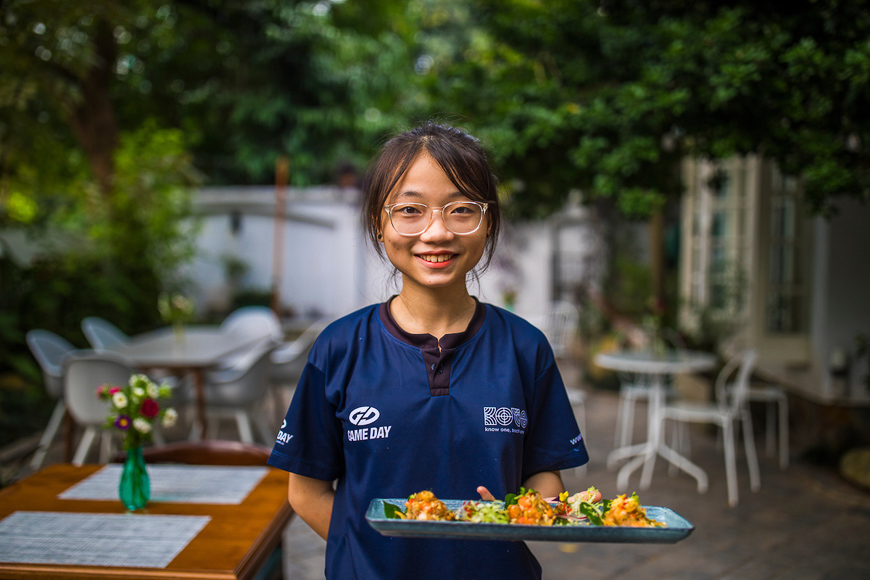
Hanoi, Viet Nam

Vietnam is known for its vibrant street food culture and flavorsome cuisine. Among the numerous restaurants in the bustling city of Hanoi, KOTO Training Restaurant stands out as a unique establishment that combines gastronomy with a noble cause. In this blog post, we will explore the captivating story of KOTO and its contribution to both Vietnamese cuisine and society.
KOTO Training Restaurant serves as a model for social enterprise in Vietnam. By integrating their social mission with a successful restaurant, KOTO has demonstrated that it is possible to make a positive difference in the community while operating a sustainable business.
1. Description of the Social Enterprise
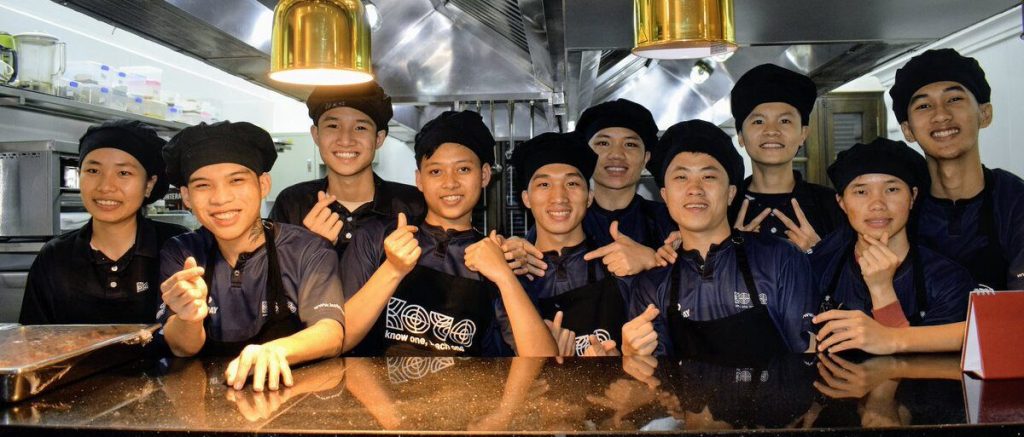
KOTO is a social enterprise based in Vietnam, operating as both a restaurant and a vocational training program for underprivileged youth. It blends the world of gastronomy with social responsibility, providing training in hospitality and culinary skills. KOTO not only serves as a dining establishment but also as a training ground for disadvantaged young people, equipping them with the skills and experience necessary to succeed in the hospitality industry.

2. History of the Business
KOTO was founded by Jimmy Pham, an Australian of Vietnamese descent, who was moved by the plight of street children in Vietnam. He started KOTO in Hanoi in 1999 as a small sandwich shop that doubled as a training facility. The idea was to provide at-risk youth with skills, support, and employment opportunities. Over the years, KOTO has grown significantly and has transformed the lives of many young people.
3. How does the Business Make an Impact?
What makes dining at KOTO even more special is knowing that every meal ordered contributes to the training and education of the young students. As an integral part of their training program, the students rotate through various positions at the restaurant, including waitstaff, kitchen staff, and even baristas. This allows them to gain hands-on experience in a real-world setting, preparing them for successful careers in the hospitality industry.
By providing vocational training, KOTO has empowered countless youngsters to break free from the cycle of poverty and create a better future for themselves. It offers not only culinary skills but also life skills, English language classes, and personal development programs, ensuring the holistic growth of its students.
KOTO impacts the community in several ways:
- Empowering Youth: It offers a two-year training program in culinary arts and hospitality to disadvantaged youth, providing them with a livelihood.
- Social Support: Besides professional training, KOTO offers English language education, life skills, and personal development support.
- Creating Employment: Graduates often find employment in Vietnam’s booming hospitality sector, significantly improving their life prospects.
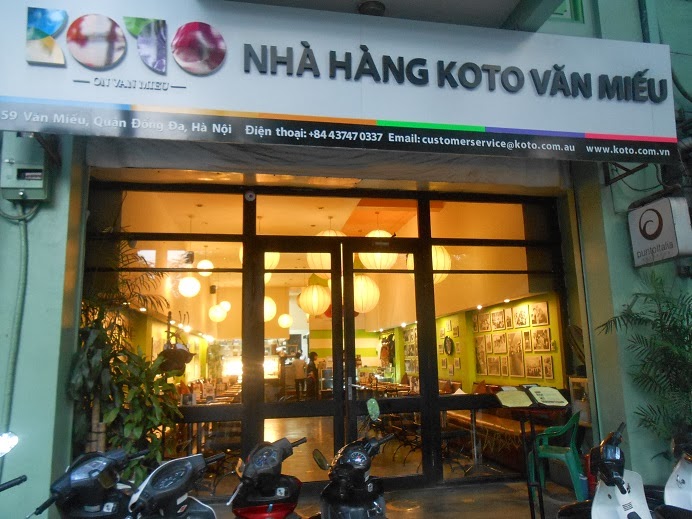
4. Why Should I Visit?
Visiting KOTO offers a unique experience where guests can enjoy high-quality Vietnamese and international cuisine while supporting a noble cause. Every meal contributes to the training and development of the students, making it a dining experience with a difference.
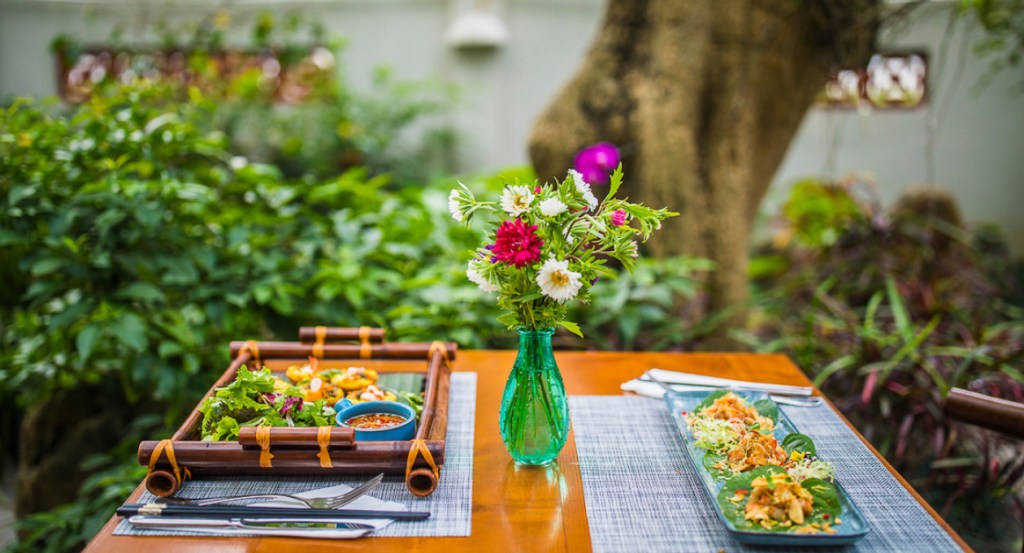
The menu at KOTO Training Restaurant boasts a wide array of traditional Vietnamese dishes, each prepared with meticulous attention to detail and an emphasis on using fresh, local ingredients. From the iconic pho (Vietnamese noodle soup) to mouthwatering banh xeo (Vietnamese pancake), every dish served at KOTO is a testament to the rich culinary heritage of Vietnam.
5. What is Special and Unique about the Business?
The uniqueness of KOTO lies in its model of combining a commercially viable restaurant with a social mission. The enterprise not only provides a delightful culinary experience but also tells a story of transformation and hope. The interaction between the trainees and customers adds a personal touch, enriching the dining experience.
6. What Impact Can a Traveler Make by Visiting the Social Enterprise?
Visitors to KOTO contribute in multiple ways:
- Direct Support: Spending at the restaurant directly funds the training programs.
- Awareness and Advocacy: By visiting and sharing their experiences, travelers raise awareness about social enterprises like KOTO.
- Cultural Exchange: The interaction between visitors and trainees fosters cultural exchange and understanding.
Authentically Local Experiences at KOTO
- Gastronomic Delight: KOTO’s training restaurant is the heart of the experience. Travelers can savor authentic Vietnamese cuisine prepared by the students. This dining experience is not only about enjoying traditional dishes but also about understanding the stories behind each dish and the journey of the students who prepared them.
- Cooking Classes: For those interested in learning the art of Vietnamese cooking, KOTO often offers cooking classes. These sessions are led by students or chefs and provide an immersive experience into Vietnamese culinary techniques and traditions.
- Cultural Interaction: By dining at KOTO, visitors get the opportunity to interact with the students. These interactions are a window into the local life, culture, and challenges of the youth in Vietnam, offering a deeper understanding of the society.
- Supporting Local Communities: Every meal or cooking class at KOTO is a contribution to the community. The funds go towards supporting the education and welfare of the students, many of whom come from underprivileged backgrounds.
- Sustainable Practices: KOTO is also known for its emphasis on sustainability. This includes using locally sourced ingredients, reducing waste, and promoting eco-friendly practices, which adds an educational aspect to the visitor’s experience.
Activities for Children
- Junior Cooking Classes: KOTO might offer simplified cooking classes for children, where they can learn to make simple Vietnamese dishes in a fun and safe environment.
- Cultural Storytelling: For younger visitors, storytelling sessions about Vietnamese culture, traditions, and folktales can be both entertaining and educational.
- Interactive Tours: The enterprise may provide family-friendly tours of the facility, explaining in a child-appropriate manner the mission of KOTO and the importance of social enterprises.
- Art and Craft Activities: Activities like drawing or crafting, possibly with themes related to Vietnamese culture or cuisine, can be organized for children to keep them engaged and entertained.
- Participatory Dining: Children can be involved in interactive dining experiences where they learn about the food, ingredients, and Vietnamese dining etiquette in an engaging way.
What are the best souvenirs to buy from KOTO in Vietnam?
KOTO (Know One, Teach One) is a social enterprise in Vietnam known primarily for its training restaurants and culinary school rather than for selling physical souvenirs. They focus on providing vocational training in hospitality and culinary arts to disadvantaged youth in Vietnam. As a result, the best “souvenirs” from KOTO are likely to be culinary and experiential rather than traditional souvenir items.
Here are a few suggestions for what you can take away from your experience at KOTO:
- Culinary Experience: Enjoying a meal at one of the KOTO restaurants is a memorable experience. The food is a blend of Vietnamese and international cuisines, prepared by the students.
- Cooking Classes: If KOTO offers cooking classes, participating in one could be a great way to learn about Vietnamese cuisine directly from the students. You can take these cooking skills home with you as a souvenir of your time in Vietnam.
- KOTO Cookbook: If available, a cookbook containing some of the favorite recipes from the KOTO kitchen would be a great souvenir. It allows you to recreate the dishes at home and share your experience with friends and family.
- Supporting Their Cause: Donations to KOTO can be a meaningful way to remember your visit. Your contribution helps in providing essential training and support to the students.
- Merchandise: If KOTO has any branded merchandise like T-shirts, bags, or other items, purchasing them can be a good way to support the enterprise and have a physical reminder of your visit.
- Photographs and Stories: Document your visit with photographs and stories of the people you meet at KOTO. These personal memories often make the most meaningful souvenirs.
KOTO is more than just a restaurant; it is a beacon of hope and opportunity for many young Vietnamese. It stands as a testament to the power of social enterprises in making a tangible difference in communities and offers travelers an opportunity to be part of a meaningful and impactful journey.
KOTO offers a unique and meaningful experience for travelers in Vietnam. It’s not just about enjoying the local cuisine but also about understanding and participating in a social cause. With its commitment to providing vocational training and education to underprivileged youth, KOTO has transformed countless lives and created a better future for many individuals. While primarily catering to adults, KOTO can also provide educational and engaging activities for children, making it a suitable destination for families looking to experience authentic Vietnamese culture and contribute to a good cause.
Feel free to download the free case study by Destination Mekong.
How to get to KOTO in Hanoi, Vietnam?
Getting to KOTO (Know One, Teach One) in Hanoi, Vietnam, is relatively straightforward. KOTO is a well-known culinary training center and restaurant, located in the Vietnamese capital. Here’s how you can reach KOTO in Hanoi:
From Noi Bai International Airport
- Taxi: Taxis are readily available at the airport. This is the most convenient way to get into Hanoi city and directly to KOTO. The journey may take about 30-45 minutes, depending on traffic.
- Airport Shuttle or Bus: There are shuttle buses and public buses that run from the airport to the city center. Once in the city center, you can take a taxi or a local bus to reach KOTO.
- Ride-Sharing Services: Services like Grab are popular in Hanoi and can be a convenient option to get from the airport to KOTO.
From Your Accommodation in Hanoi
- Taxi or Ride-Sharing Services: Taxis are widely available throughout Hanoi. Ride-sharing apps like Grab also offer both car and motorbike options and can be a convenient and economical choice.
- Local Bus: Hanoi has an extensive bus network. If you prefer public transportation, check the local bus routes that pass near KOTO’s location.
- Walking or Bicycle: If you are staying in the city center or nearby, Hanoi is a walkable city, and exploring on foot or by renting a bicycle can be a pleasant experience.
Location and Directions
- Address: KOTO’s address and exact location should be verified on their official website or through a reliable travel guide. KOTO has moved locations in the past, so it’s best to have the most current address.
- GPS Navigation: If you’re using GPS navigation or a maps app on your smartphone, input KOTO’s address for directions.
Tips for the Visit
- Traffic in Hanoi: Hanoi is known for its heavy traffic and bustling streets. Allow extra travel time, especially during peak hours.
- Language: Having the address written in Vietnamese can be helpful if you’re taking a taxi and the driver does not speak English.
- Cultural and Culinary Experience: KOTO not only offers a dining experience but also a chance to support a social enterprise that trains disadvantaged youth in hospitality and culinary skills.
For more information, please visit KOTO.
Visited by Dr. Jens Thraenhart in June 2019.
 Purpose Picks
Leave a comment