

Ulaanbaatar, Mongolia

1. Description of the Social Enterprise
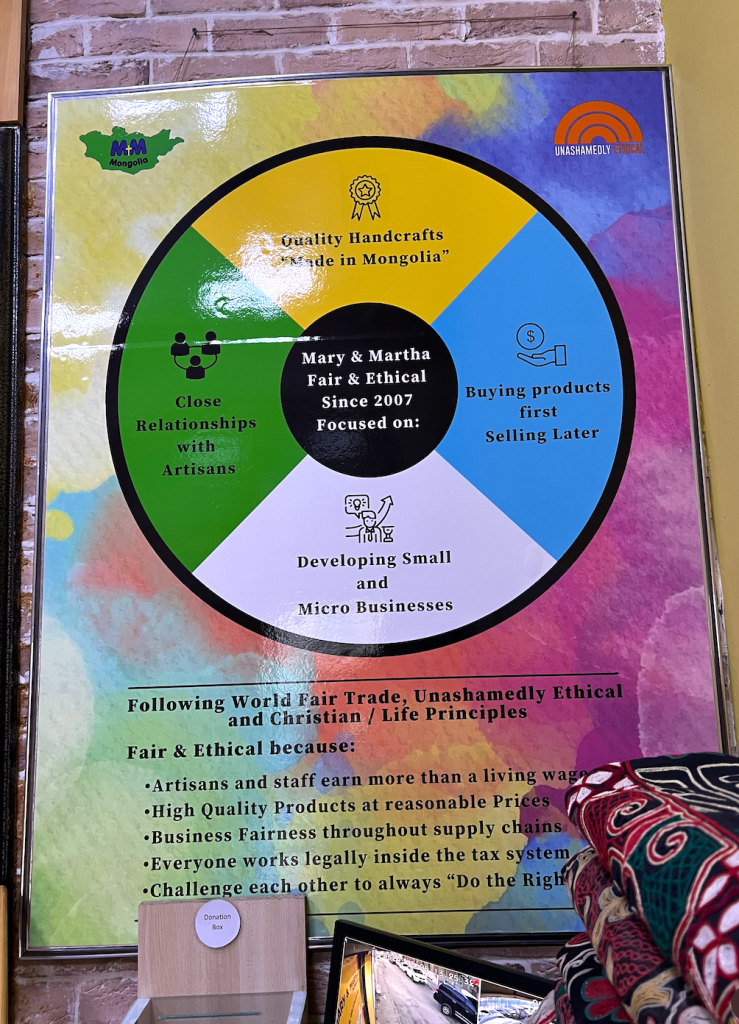
Mary & Martha Mongolia stands as the country’s only Ethical Fair Trade organization, operating as a transformative social enterprise dedicated to empowering Mongolian artisans through sustainable business development. This pioneering organization works directly with over 150 craftspeople across Mongolia, specializing in high-quality handcrafted products that showcase traditional materials, techniques, and designs. The enterprise functions as both a retail space and development hub, offering visitors the opportunity to purchase authentic Mongolian crafts while learning about the country’s rich artistic heritage. Through comprehensive business training, design development, and market access, Mary & Martha bridges the gap between traditional craftsmanship and modern commerce, ensuring ancient skills remain economically viable in contemporary Mongolia.

2. History of the Business
Mary & Martha Mongolia emerged from a recognition of the untapped potential within Mongolia’s traditional craft sector and the economic challenges facing skilled artisans. The organization was established to address the disconnect between talented craftspeople producing exceptional traditional work and their limited access to sustainable markets. Starting with a small group of artisans, the enterprise has grown to support over 150 craftspeople throughout the country, from the capital city to remote provinces. The founders identified that while Mongolia possessed extraordinary craft traditions passed down through generations, artisans often struggled with business fundamentals, market understanding, and product development for contemporary consumers. This insight led to the creation of a comprehensive support system that goes beyond simple fair trade purchasing to include long-term capacity building and business mentorship.
3. How Does the Business Make an Impact?
Mary & Martha Mongolia creates profound multi-generational impact through its holistic approach to artisan development. Craftspeople who have worked with the organization for more than four years report their businesses growing at least tenfold, with corresponding improvements in their quality of life. The enterprise provides comprehensive business skills training, helping artisans understand pricing, inventory management, and customer relations. Design development support helps traditional craftspeople adapt their skills to create products appealing to modern markets without sacrificing cultural authenticity. By establishing long-term relationships rather than one-time transactions, the organization creates stable income streams for families often living in economic precarity. The impact extends to preserving endangered craft traditions, particularly among ethnic minorities like the Kazakh community, ensuring these cultural treasures survive for future generations.

4. Why Should I Visit?
Visiting Mary & Martha Mongolia offers travelers a unique window into Mongolia’s living craft traditions while directly supporting ethical economic development. The enterprise provides an educational shopping experience where every purchase comes with the story of its maker and the cultural significance of its design. Unlike typical tourist shops selling mass-produced souvenirs, here visitors find authentic pieces created by skilled artisans using techniques passed down through generations. The organization’s commitment to fair trade principles means travelers can shop with confidence, knowing their purchases directly benefit the craftspeople. For socially conscious travelers seeking meaningful connections with local communities, Mary & Martha offers an opportunity to support sustainable development while acquiring genuinely special mementos of Mongolia.

5. What is Special and Unique About the Business?
As Mongolia’s sole Ethical Fair Trade organization, Mary & Martha occupies a unique position in the country’s craft sector. The enterprise’s focus on long-term artisan relationships rather than transactional purchasing sets it apart from conventional craft retailers. The remarkable success stories—with established artisans seeing tenfold business growth—demonstrate the effectiveness of their comprehensive support model. The organization’s work with ethnic Kazakh women from Bayan-Ölgii province preserves and promotes minority cultural traditions rarely accessible to urban visitors. The contemporary adaptation of traditional designs, such as the modernized color palettes in Kazakh embroidery, represents innovative cultural preservation that keeps traditions alive and relevant. This balance between honoring tradition and embracing innovation makes Mary & Martha a pioneering force in sustainable cultural enterprise.
6. What Impact Can a Traveler Make by Visiting?
Every purchase at Mary & Martha directly transforms artisan livelihoods, with fair trade principles ensuring craftspeople receive equitable compensation for their work. Travelers’ interest in traditional crafts validates the economic value of cultural preservation, encouraging younger generations to learn ancestral skills. By choosing handcrafted items over mass-produced alternatives, visitors support sustainable production methods with minimal environmental impact. International customers provide crucial market feedback, helping artisans understand global preferences while maintaining cultural authenticity. Travelers who share their purchases and stories on social media amplify awareness of Mongolian crafts and the artisans who create them. The economic stability created through conscious consumer choices enables artisans to invest in their children’s education, breaking cycles of poverty.

7. What Authentically Local Experience Can a Traveler Have?
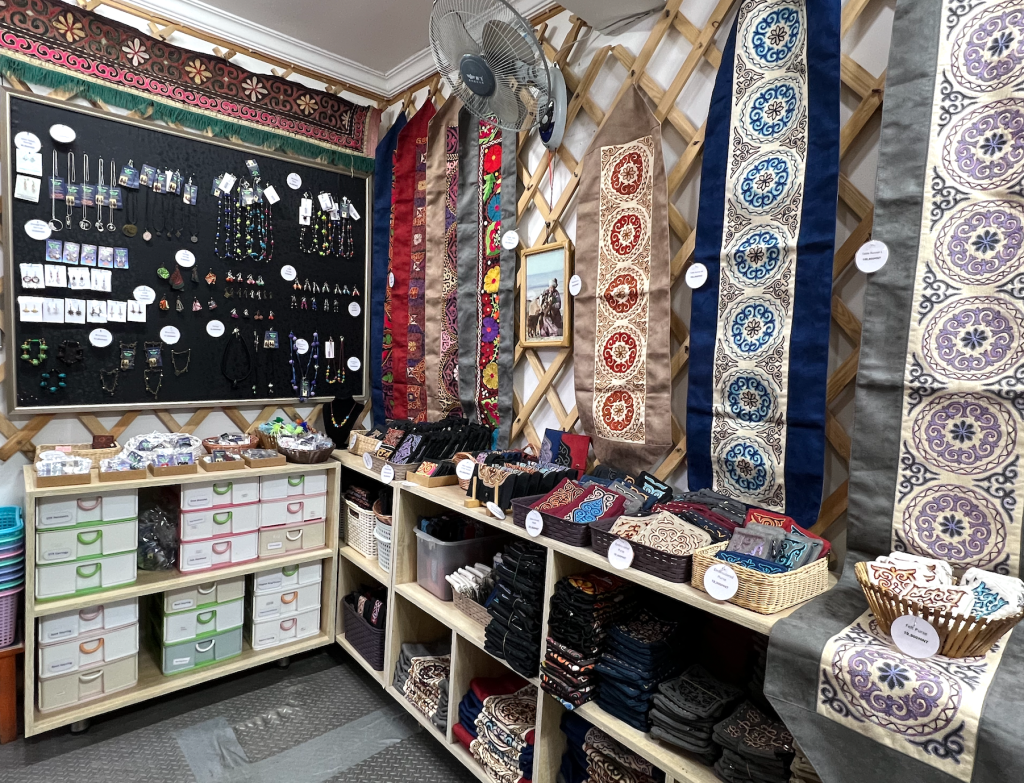
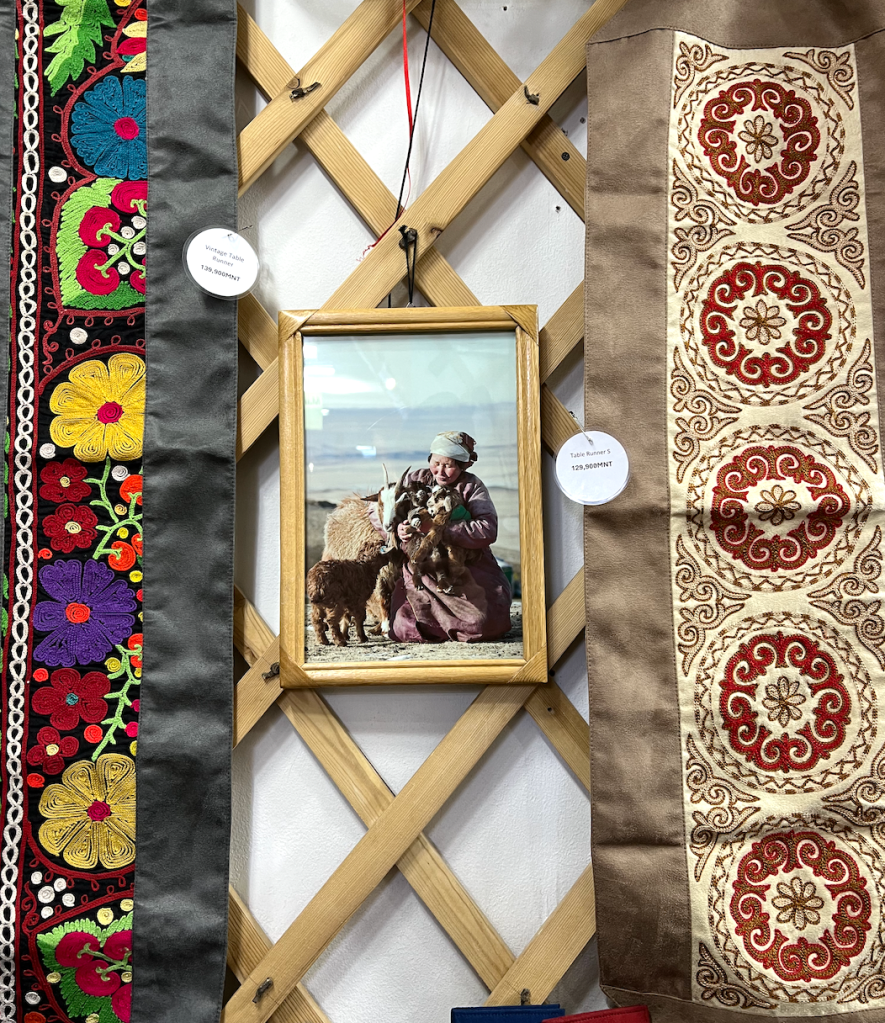
Visitors can engage directly with the stories behind each craft piece, learning about traditional Mongolian life through the objects that furnish gers and mark important celebrations. The Kazakh embroidery collection offers insights into nomadic wedding traditions, with wall hangings originally created by young brides to decorate their new homes. Staff members share knowledge about traditional motifs—flowers, stars, owls, deer, and pomegranates—explaining their cultural significance and symbolic meanings. Travelers can discover how different ethnic groups within Mongolia express their distinct identities through craft traditions. The enterprise provides opportunities to understand the challenges and triumphs of contemporary Mongolian artisans navigating between traditional life and modern economy. Shopping becomes an educational experience about Mongolian geography, as products represent diverse regions from the Altai Mountains to the Gobi Desert.
8. Are There Activities for Children?
Mary & Martha’s environment offers engaging educational opportunities for young visitors. Children can learn about traditional Mongolian life through tangible objects, discovering how nomadic families live in gers and use handcrafted items in daily life. The colorful Kazakh embroideries with their animal and nature motifs—owls, deer, stars—naturally capture children’s imagination while teaching about symbolism in art. Young visitors can observe different textile techniques and materials, providing hands-on learning about how things are made. The stories of young Kazakh girls creating elaborate wall hangings for their weddings offer age-appropriate cultural education about different life traditions. Parents can use the craft displays to teach children about fair trade, ethical shopping, and how purchases can help families in other countries.
9. What are the Best Souvenirs to Buy?
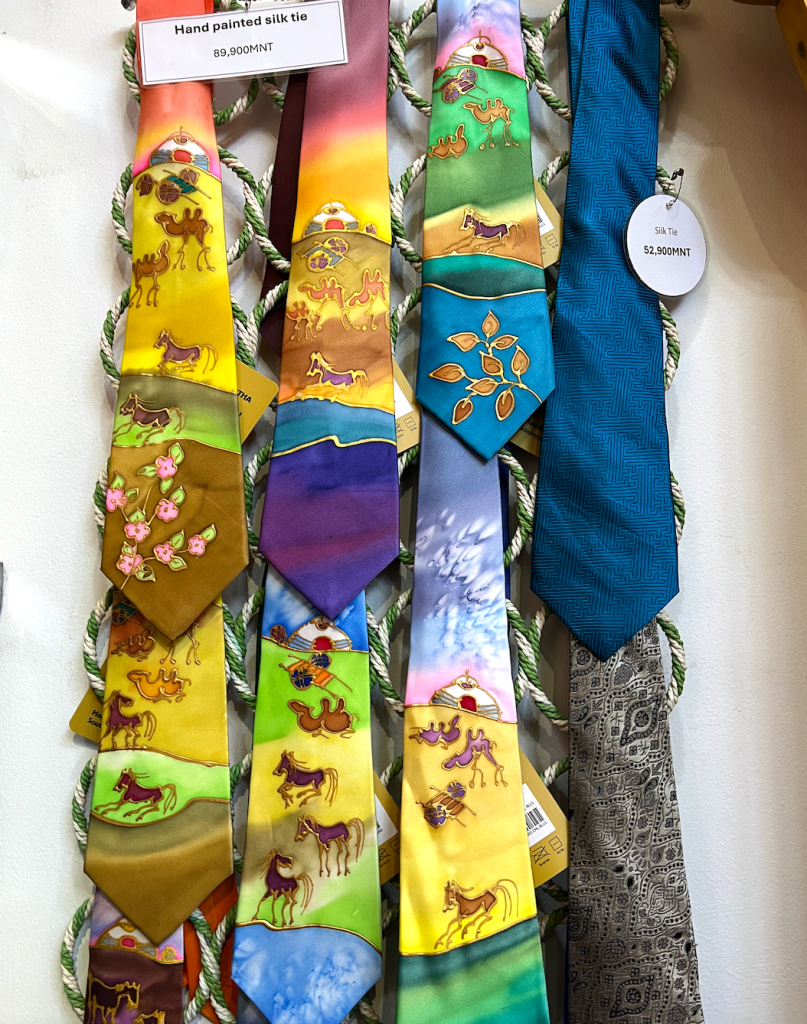
The Kazakh embroidered wall hangings represent exceptional cultural artifacts, featuring traditional motifs adapted with contemporary color palettes suitable for modern homes. Handwoven textiles using traditional Mongolian patterns make versatile gifts that carry authentic cultural significance. Look for items crafted from traditional materials like yak wool, camel hair, and cashmere—materials intrinsically linked to Mongolian nomadic culture. Small embroidered items like pouches or cushion covers offer affordable options while supporting artisan livelihoods. Traditional felt products, from slippers to decorative items, showcase Mongolia’s ancient felting traditions. Consider purchasing items that tell specific stories—pieces whose makers and origins can be traced, adding personal meaning to your souvenirs. The contemporary adaptations of traditional designs offer pieces that work beautifully in modern homes while preserving cultural heritage.

10. How to Get There and Other Noteworthy Information
Mary & Martha Mongolia is located in Ulaanbaatar, Mongolia’s capital city, making it easily accessible for international visitors. The shop can be reached by taxi from anywhere in the city center, with most drivers familiar with ethical shopping destinations. Public transportation options are available, though taxi or tour operator transport is most convenient for visitors. The best time to visit is during regular business hours, with weekdays often less crowded than weekends. Summer months (June to August) see peak tourist traffic, while spring and autumn offer pleasant weather with fewer crowds.
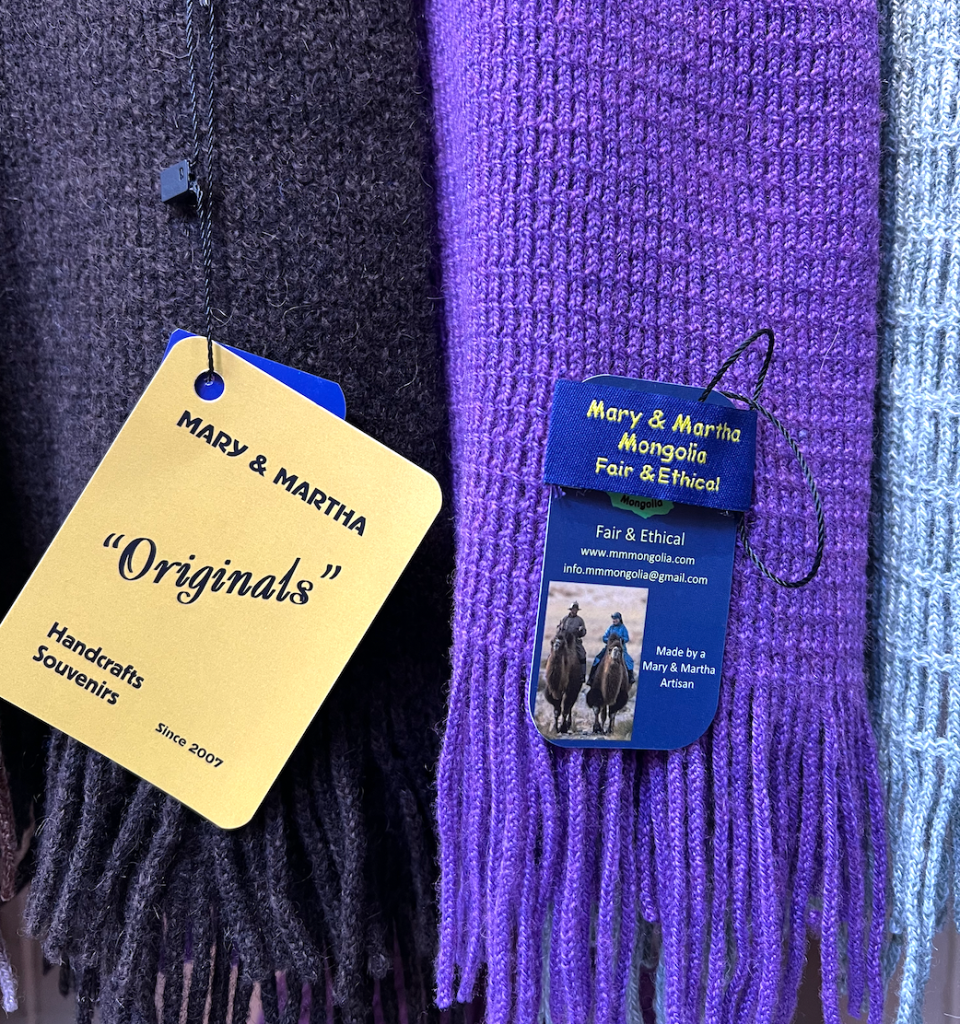
Visitors should budget adequate time for their visit, as understanding the stories behind products enhances the shopping experience. English-speaking staff can explain product origins and artisan stories. Photography is generally welcomed, helping spread awareness of Mongolian crafts. Consider visiting early in your trip to Mongolia, as understanding traditional crafts enhances appreciation of cultural sites visited later. The enterprise accepts various payment methods, though confirming current options before visiting is advisable. Purchases can often be shipped internationally for larger items, making it practical to buy substantial pieces without luggage concerns.
More information: https://www.mmmongolia.com/
Visited by Dr. Jens Thraenhart in December 2024.
 Purpose Picks
Leave a comment