

Taqah, Salalah, Oman
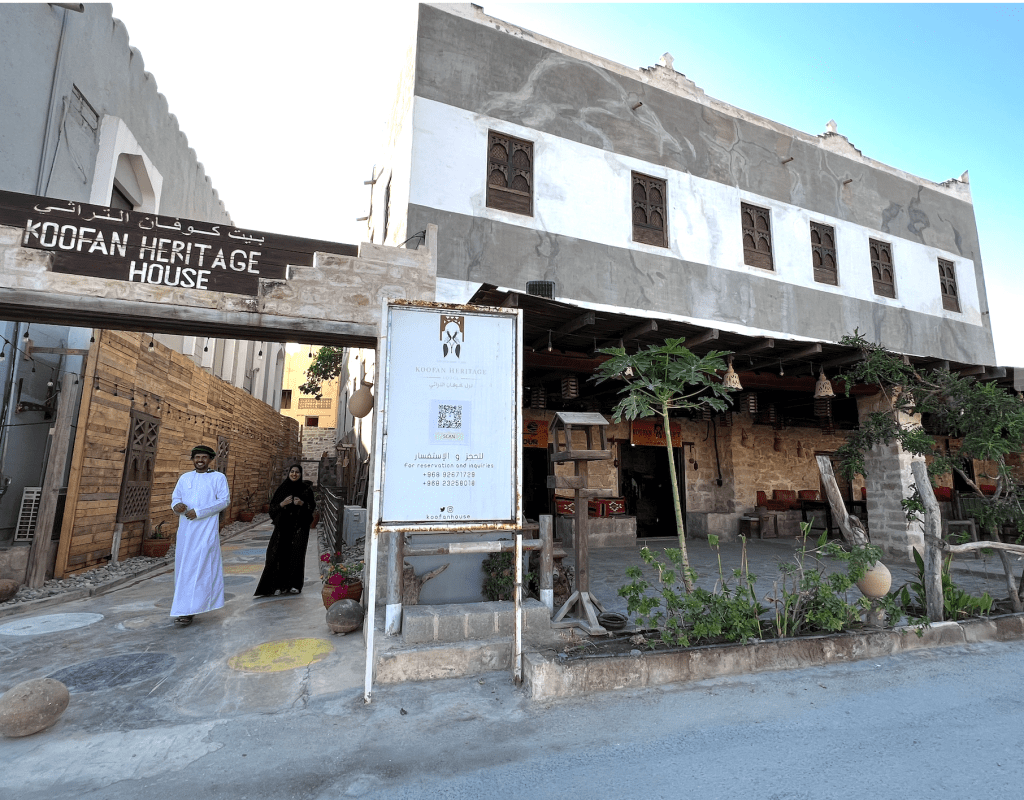
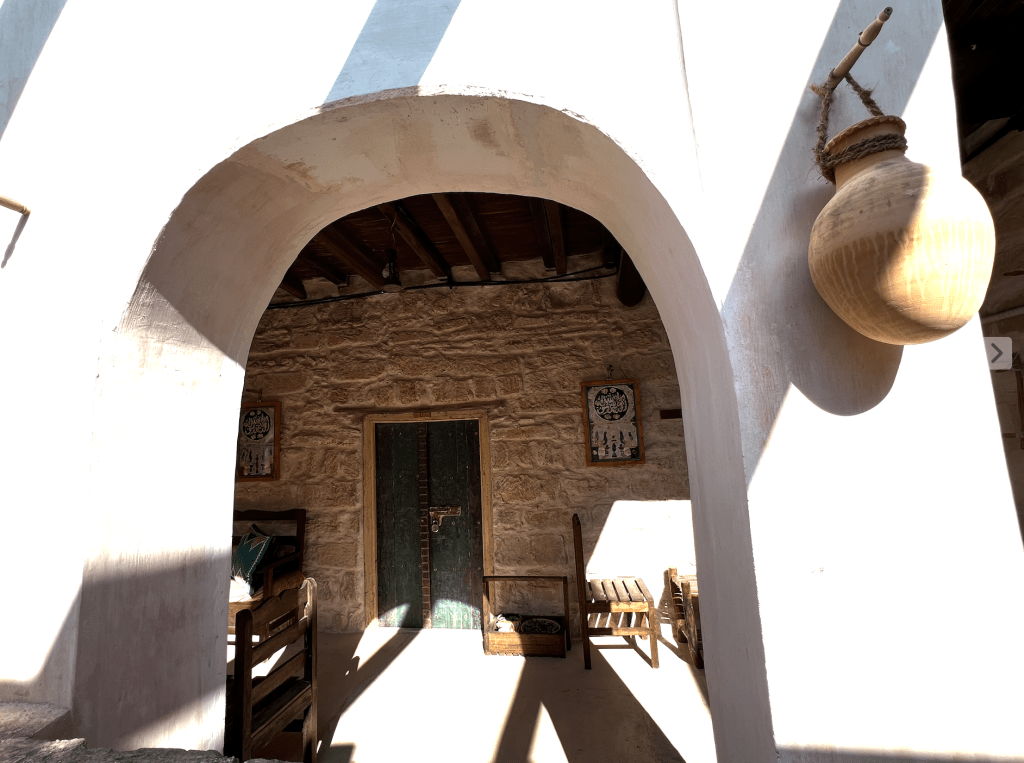
The Koofan Heritage Lodge in Taqah is a charming accommodation that offers typical local architecture and hospitality. It once belonged to the late Sheikh Salem bin Faraj Koofan, who was known as a particularly honest merchant with good manners. You can still feel this positive aura in his house today. The rooms at the lodge are comfortably furnished with traditional elements. Enjoy delicious local dishes in the hotel’s restaurant and explore the sights of Taqah. The lodge is ideal for travelers looking for authentic and cozy accommodation on their round trip.
1. Description of the Social Enterprise
Koofah Heritage House is a culturally immersive heritage lodge that operates as a social enterprise preserving Omani architectural traditions and local heritage in the coastal town of Taqah, near Salalah. This authentic accommodation combines traditional hospitality with cultural preservation, functioning as both a guesthouse and living museum. The property showcases typical Dhofari architecture with its distinctive design elements, while offering visitors comfortable rooms furnished with traditional Omani décor. Beyond accommodation, it serves as a cultural bridge, connecting travelers with the authentic lifestyle, stories, and traditions of southern Oman’s coastal communities.

2. History of the Business
The heritage house originally belonged to the late Sheikh Salem bin Faraj Koofan, a respected local merchant renowned throughout the region for his exceptional integrity and gracious manner in business dealings. His reputation as an honest trader left an indelible mark on the community and the property itself. Following his passing, the family home was thoughtfully converted into a heritage lodge, preserving not just the physical structure but also the spirit of traditional Omani hospitality that Sheikh Salem embodied. The transformation from private residence to cultural enterprise has maintained the home’s authentic character while adapting it to welcome international visitors seeking genuine cultural experiences.
3. How Does the Business Make an Impact?
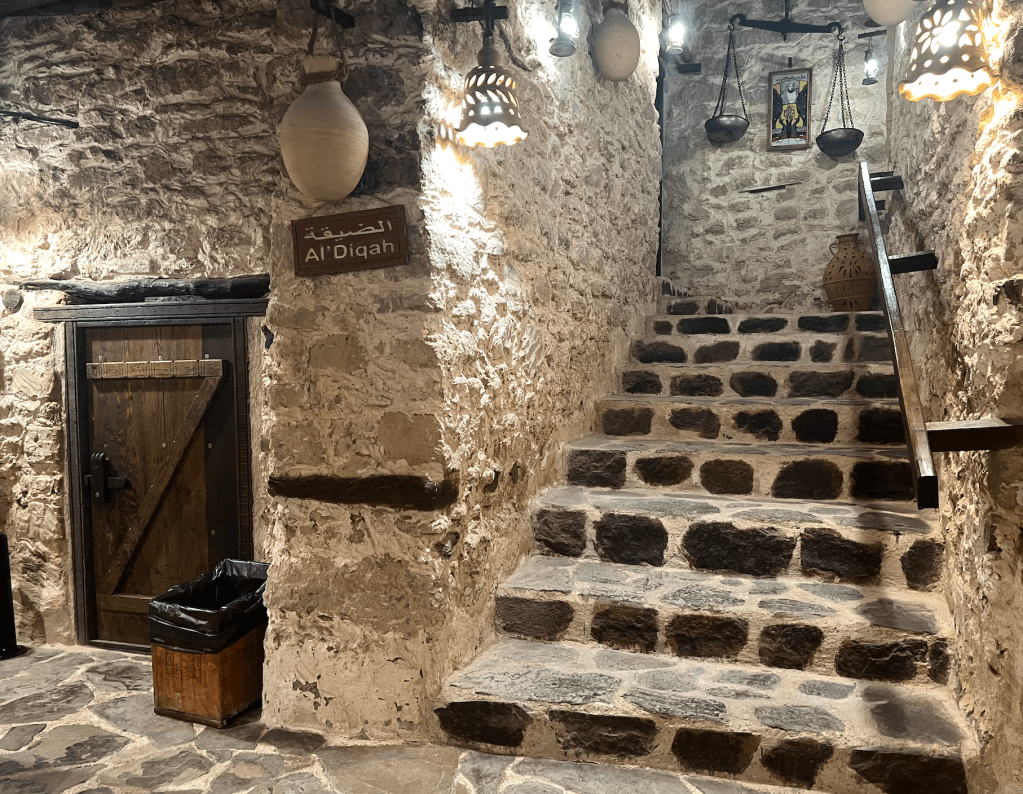
Koofah Heritage House creates multi-layered impact through cultural preservation, economic empowerment, and community development. By maintaining traditional architectural styles and construction methods, it helps preserve Dhofari building techniques for future generations. The enterprise provides employment opportunities for local residents, particularly in hospitality, traditional cooking, and cultural interpretation roles. Staff members serve as cultural ambassadors, sharing oral histories and traditional knowledge that might otherwise be lost. The business sources ingredients locally for its restaurant, supporting area farmers and food producers while maintaining culinary traditions. Revenue generated helps fund ongoing restoration and maintenance of the historic property, ensuring this architectural gem remains accessible to future visitors.
4. Why Should I Visit?
Visiting Koofah Heritage House offers an unparalleled opportunity to experience authentic Omani culture beyond typical tourist venues. The preserved atmosphere of Sheikh Salem’s former home provides a tangible connection to Oman’s merchant heritage and traditional way of life. Located strategically near Taqah’s historical sites and natural attractions, it serves as an ideal base for exploring the region’s archaeological treasures and stunning landscapes. The combination of comfortable traditional accommodation, genuine local cuisine, and warm Dhofari hospitality creates an immersive cultural experience impossible to replicate in conventional hotels. Visitors seeking meaningful travel experiences that support local communities while gaining deeper cultural understanding will find this heritage house particularly rewarding.

5. What is Special and Unique About the Business?
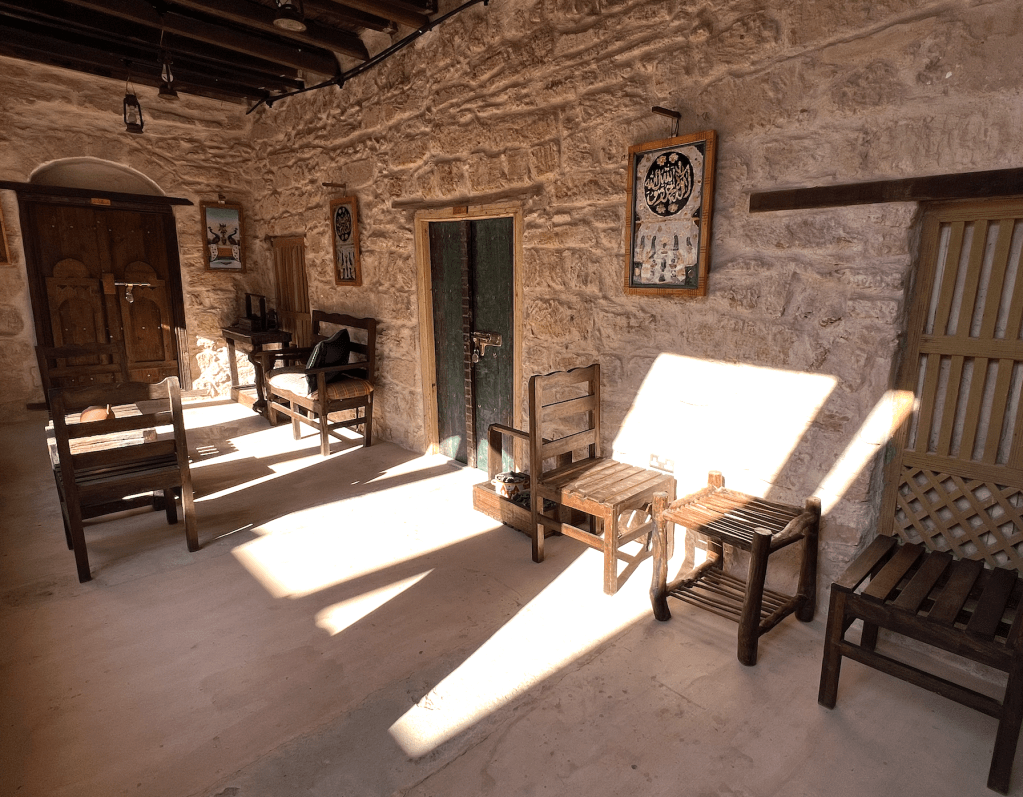
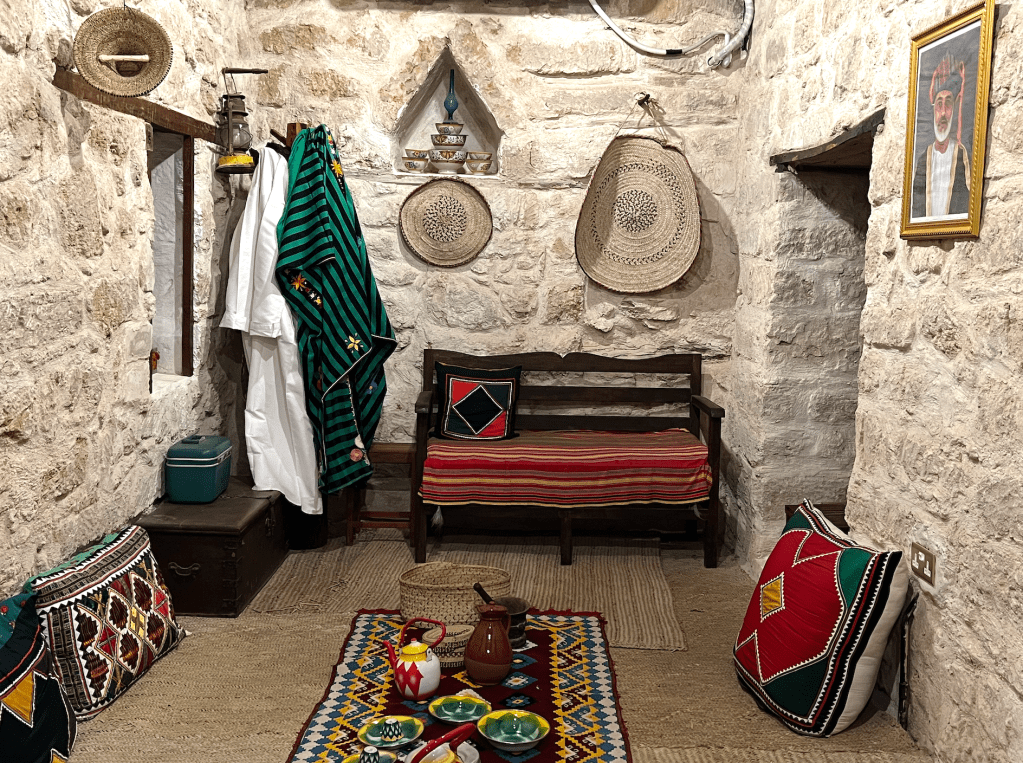
The palpable presence of Sheikh Salem’s legacy sets Koofah Heritage House apart from other accommodations. Guests frequently comment on the positive, welcoming atmosphere that permeates the property—a testament to its original owner’s renowned character. The building itself represents authentic Dhofari architecture, featuring traditional design elements specific to the coastal region’s climate and culture. The staff’s role as storytellers rather than mere service providers creates an educational dimension to every stay. The property functions simultaneously as accommodation, museum, and cultural center, with carefully preserved rooms displaying artifacts and exhibits that chronicle local history. This multi-purpose approach makes it unique among heritage properties in the region.
6. What Impact Can a Traveler Make by Visiting?
Travelers directly support cultural preservation efforts through their patronage, with accommodation fees contributing to the property’s ongoing restoration and maintenance. Guest spending in the restaurant supports local food systems and helps preserve traditional recipes and cooking methods. Visitors’ interest in local stories and traditions validates the importance of cultural preservation, encouraging younger generations to value their heritage. International guests bring cultural exchange opportunities, fostering understanding between Oman and the wider world. By choosing this social enterprise over conventional accommodations, travelers vote with their wallets for sustainable, culturally respectful tourism models that benefit local communities rather than external corporations.
7. What Authentically Local Experience Can a Traveler Have?
Guests can participate in traditional Omani meals featuring regional specialties prepared using time-honored methods and locally sourced ingredients. The dining experience includes learning about the cultural significance of different dishes and traditional eating customs. Evenings often feature informal storytelling sessions where staff share local legends, historical accounts, and personal family histories. Visitors can observe and learn about traditional architectural features, understanding how building design reflects local climate and lifestyle needs. The location in Taqah allows easy exploration of nearby fishing villages, traditional souks, and archaeological sites with guidance from knowledgeable local staff who provide insider perspectives unavailable through standard tour operators.
8. Are There Activities for Children?
Children can explore the traditional architecture, discovering how people lived in historical Oman. The storytelling traditions provide engaging ways for children to learn about local culture and history through tales and legends. The restaurant’s traditional cuisine offers adventurous young eaters opportunities to try new flavors in a welcoming environment. The property’s museum aspects, with artifacts and exhibits, can spark children’s curiosity about different ways of life. Nearby beaches and natural areas around Taqah provide outdoor exploration opportunities suitable for families.
9. What are the Best Souvenirs to Buy?
The Koofah Heritage House offesr authentic local products that make meaningful souvenirs. Look for traditional Dhofari frankincense products, as this region is historically famous for this aromatic resin. Handwoven textiles featuring traditional patterns make beautiful and practical mementos. Local pottery or traditional coffee cups (finjan) used in Omani coffee ceremonies provide functional reminders of your stay. Consider purchasing traditional Omani honey or dates from local producers. Books or materials about local history and Sheikh Salem’s legacy would provide lasting educational value. Supporting local artisans through purchases at nearby souks complements the social enterprise mission.

10. How to Get There and Other Noteworthy Information
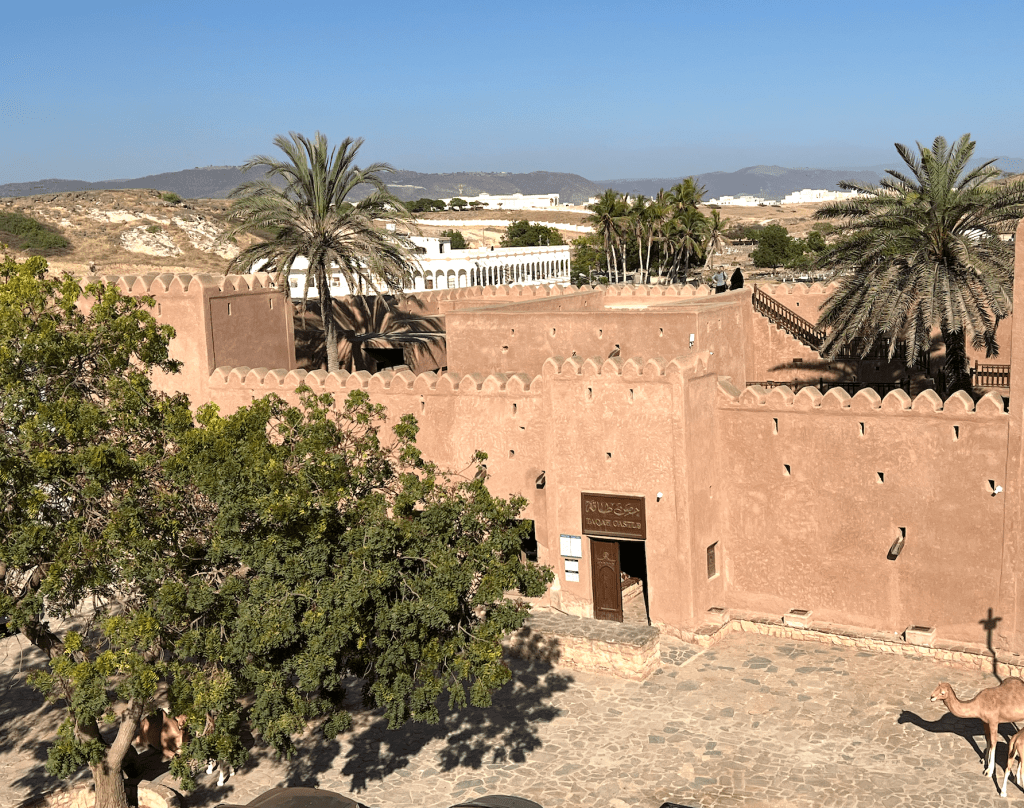
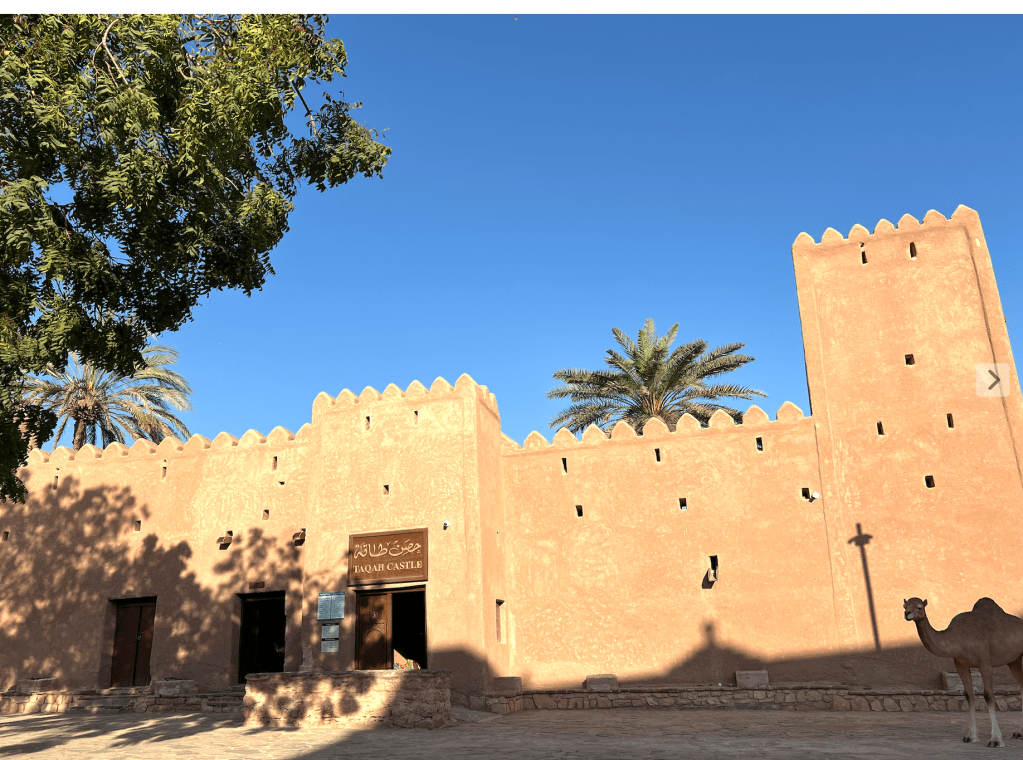
Koofah Heritage House is located in Taqah, approximately 30 kilometers east of Salalah along the coastal road. The town is easily accessible by car via Route 49, with the journey from Salalah International Airport taking about 40 minutes. Taxis and rental cars are readily available in Salalah. The best visiting period is during the khareef (monsoon) season from June to September when the region transforms into a green paradise, though the lodge welcomes guests year-round. The heritage house’s proximity to Taqah Castle, ancient frankincense ports, and pristine beaches makes it an ideal base for regional exploration. Advance booking is recommended, especially during peak season. Modest dress is appreciated in this traditional setting, respecting local customs while enjoying authentic Omani hospitality.

More information:
Facebook Page: facebook.com/koofanhouse
Instagram: instagram.com/koofanhouse
Visited by Dr. Jens Thraenhart in February 2025.
 Purpose Picks
Leave a comment